01
Scattered across clinics
Each doctor, hospital, and lab holds a different piece. No one sees the whole picture, often not even you.
Waitlist open
Grammata by Dard AI is a healthcare passport that brings your health history together and keeps it with you. Bring in records from across your care, understand them in plain language, and securely share your health record with a doctor in a tap.
Document
Previous history first, then what is new.Decode
Organised for the clinician who will see them.Deposit
A one-page summary in the record first.Between visits
Short check-ins, set against their own baseline.Clinics and care teams
Join the waitlist
One email. We write when a seat opens. Joining does not charge you.
What we're solving
Your records are spread across patient portals, clinics, PDFs, and paper. So every new appointment can start with you trying to remember what happened, what tests you've had, and what you take.
01
Each doctor, hospital, and lab holds a different piece. No one sees the whole picture, often not even you.
02
New doctor, new forms, same story, recalled from memory when you least feel up to it.
03
Switch doctors, travel, or need care somewhere new, and your history often stays behind.
How Grammata by Dard AI helps
Bring your records together, understand them in plain language, and securely share your health record with a doctor in one tap.
How it works
Three steps, from the patient’s account to the clinician’s record. The output is a structured summary for a clinician to review. Not a diagnostic product. A clinician decides what is relevant at every step.
Document → Decode → Deposit
Sample
01 · Document
The history already on record comes up first. The patient then says how this visit is different, in a line of their own. The clinic opens on both.
02 · Decode
The intake becomes a one-page summary: what was reported, which investigations are already on record, and what is still missing. Each line traces back to the answer that raised it. Check-ins, when a clinic uses them, are compared with that person’s own baseline.
03 · Deposit
The clinician opens the appointment with the history already taken and a one-page report in the record. Later visits and check-ins add to the same record, so the picture builds instead of starting over.
Sample
Why Dard AI
01
Patients complete it in their own time, not under appointment pressure. The consultation starts from a shared record instead of a blank page.
02
Short check-ins, for clinics that use them, show how symptoms have moved since the last visit. Compared with that person’s own baseline.
03
The clinician sees the full summary. The patient sees confirmation and what happens next. Nothing clinical is handed to a patient without their clinician.
Who it’s for
The patient arrives with the history already documented. You open on assessment.
You see the stretch between appointments, not only the day of the visit.
The same intake, whoever is on shift. The note does not restart with the roster.
Health Passport
The Health Passport is a record you own. You keep your history, your papers and your own baseline in one place, and you choose which clinician sees it. It is a structured summary for a clinician to review. Not a diagnostic product.
A preview with sample data. Nothing is created and no account is needed.
Document
You add the papers and history you already have.
Decode
You read it back in plain language, with the source kept.
Deposit
It stays in your record, ready for the next clinician.
One ID that follows you to every clinic. Check in once, and your records come with you. We're building it now.
Preview the Health PassportPreviewB+
Blood
Alex Rivera
0000 1111 2222
Allergy Penicillin
Condition Asthma
DOB MM/DD/YYYY
Emergency 000-000-0000
Trust and privacy
Dard structures the history a patient reports and organises it for the clinician who will see them. It is not a medical device. It is assistive and clinician-reviewed: a structured summary for a clinician to review. Not a diagnostic product. It does not recommend treatment, and it does not replace clinical judgement.
Every output is a summary of the patient’s own account, written for a qualified clinician to review. A clinician decides what is relevant before any of it informs a decision.
It was shaped for a familiar gap: people with persistent symptoms and unremarkable investigations, told the results were normal, and left without a next step. The next visit can start from a structured history instead of a blank page.
Dard AI is hosted on Google Cloud under a signed HIPAA Business Associate Addendum (BAA) and EU Standard Contractual Clauses.
Pricing
Held for clinics on this waitlist. The list is free to join. We confirm the price with you before anyone is billed.
Waitlist price
$6.99/month
US price. Lower prices in some regions.
You are not charged from this page.
Meet the team working to make sure your health story travels with you, wherever care takes you.

Manjeet Singh
Founder & CEO

Leena Rajan Katkar
Co-Founder & COO

Yesica Danderfer
Director of Research

Leonore Strasser
Clinical and Data Set Advisor
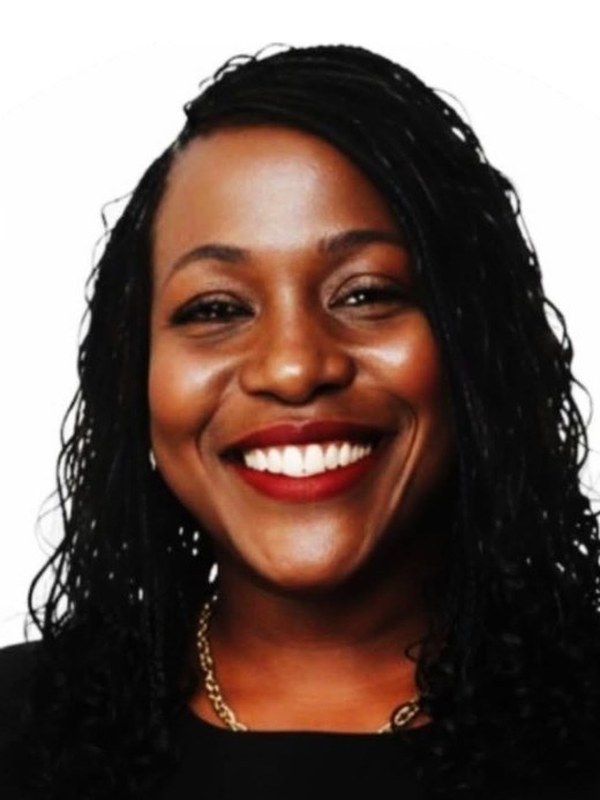
Sharonda Davis
Clinical Advisor
The list
Leave a work email. We write when a clinic seat opens. Nothing is billed from this page.
Request a clinic seat